



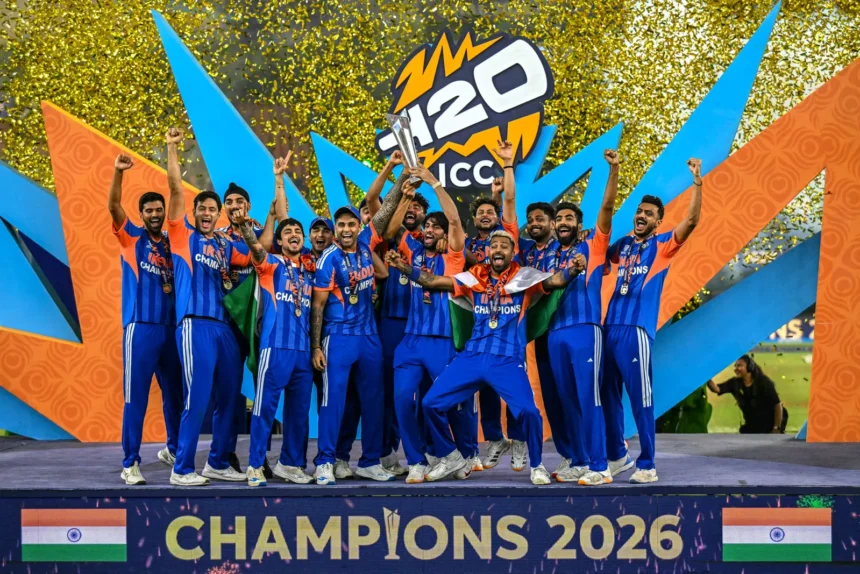
Cricket has experienced remarkable growth over the past decade, and in 2026, T20 leagues are playing a major role in shaping the future of the sport. Once dominated by traditional international formats, cricket is now reaching new audiences through fast-paced franchise competitions that combine world-class talent, exciting entertainment, and innovative broadcasting.
From India to Australia, England, South Africa, the Caribbean, Pakistan, the United States, and the United Arab Emirates, T20 leagues have become some of the biggest sporting events on the calendar. These tournaments attract millions of viewers, generate significant revenue, and provide players from around the world with opportunities to compete against the very best.
As cricket continues expanding into new markets, T20 leagues are proving to be one of the sport’s greatest success stories.
Why T20 Cricket Has Become So Popular
One of the biggest reasons for T20 cricket’s success is its format.
Unlike traditional Test matches that can last five days, a T20 match is completed in around three hours. This shorter format appeals to modern audiences who want exciting action without committing an entire day to watching a game.
The fast pace encourages aggressive batting, creative bowling, athletic fielding, and dramatic finishes. Every over has the potential to change the outcome, keeping fans engaged from the first ball to the last.
This entertainment value has helped attract younger audiences while introducing cricket to countries where the sport was previously less popular.
Franchise Leagues Continue to Grow
Professional franchise leagues have transformed cricket into a year-round global sport.
Competitions feature international stars playing alongside emerging local talent, creating high-quality matches that showcase different playing styles and cultures.
The financial success of these leagues has also benefited players, coaches, broadcasters, and cricket boards. Increased investment has improved stadium facilities, coaching programs, and youth development systems in many countries.
As more nations launch competitive T20 leagues, the sport’s global footprint continues to expand.
Young Players Are Benefiting
T20 leagues provide young cricketers with valuable opportunities to learn from experienced professionals.
Sharing dressing rooms with international stars allows emerging players to improve their technical skills, tactical awareness, and mental approach to high-pressure situations.
Many young players have used franchise cricket as a stepping stone to international careers.
Exposure to different coaches, playing conditions, and opponents also accelerates player development, making future international competitions even more competitive.
Technology Is Changing Cricket
Modern cricket has embraced technology in almost every aspect of the game.
Decision Review System (DRS) helps umpires make more accurate decisions, while Hawk-Eye technology tracks the ball’s trajectory during LBW appeals.
Teams also use advanced analytics to study batting patterns, bowling strategies, and field placements. Coaches rely on performance data to prepare detailed game plans for every opponent.
Wearable fitness technology allows trainers to monitor player workloads, reducing injury risks during demanding tournament schedules.
These innovations have improved both player performance and the viewing experience for fans.
Global Expansion Continues
Cricket is no longer limited to its traditional strongholds.
Countries such as the United States, Canada, Nepal, the Netherlands, and several African nations are investing heavily in cricket infrastructure and grassroots development.
The introduction of professional leagues in emerging markets has encouraged greater participation among young athletes while attracting new sponsors and broadcasters.
As international governing bodies continue supporting development programs, cricket is becoming a truly global sport.
Balancing Franchise and International Cricket
While franchise leagues have created enormous opportunities, they have also introduced new challenges.
One major concern is balancing domestic leagues with international cricket schedules. National teams remain the highest honour for many players, but overlapping calendars sometimes force athletes to choose between club commitments and international duty.
Cricket administrators continue working together to create schedules that allow players to represent both their countries and their franchises without excessive workloads.
Finding this balance will be crucial for the sport’s long-term health.
Women’s Cricket Is Growing Rapidly
Women’s cricket has also benefited significantly from the rise of T20 competitions.
Professional leagues have provided female cricketers with greater exposure, improved financial opportunities, and higher standards of competition.
More matches are now broadcast globally, inspiring young girls to take up the sport while encouraging greater investment in women’s development programs.
The quality of women’s cricket continues improving every season, helping expand the sport’s overall popularity.
What the Future Holds
The future of cricket looks brighter than ever.
New technologies, expanding fan bases, stronger youth programs, and growing international investment are helping the sport reach unprecedented levels of success.
T20 cricket will likely remain the driving force behind global expansion, while Test cricket and One-Day Internationals continue preserving the sport’s rich traditions.
As more countries embrace cricket, future international tournaments are expected to become increasingly competitive, creating exciting opportunities for players and fans alike.
Conclusion
T20 leagues have revolutionized cricket by making the game faster, more accessible, and more entertaining for audiences worldwide. Their influence extends beyond the boundary ropes, creating financial growth, improving player development, and introducing cricket to entirely new regions.
Although challenges remain in balancing international and franchise cricket, the overall impact has been overwhelmingly positive.