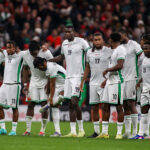



Nigeria Furious Over Refereeing in Controversial Semi-Final Clash Against Morocco
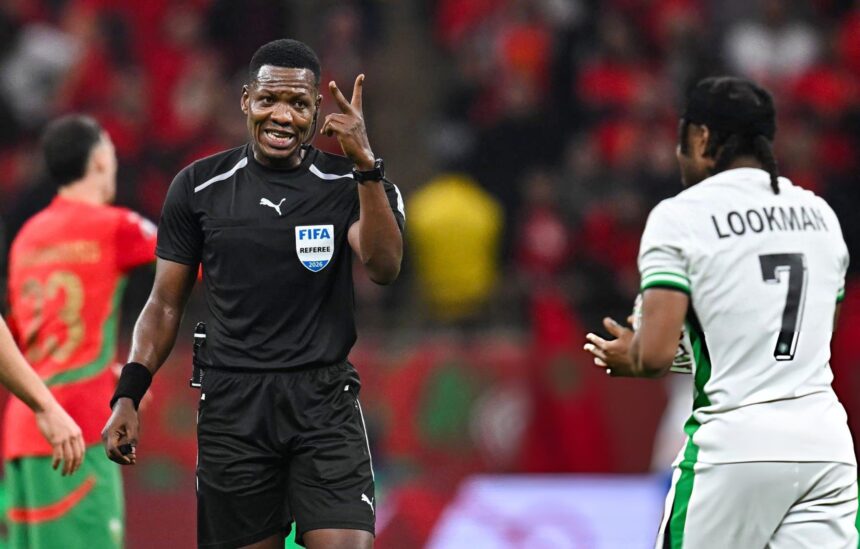
The Nigeria Morocco refereeing controversy has dominated headlines after the Super Eagles’ semi-final clash against Morocco. Nigerian players, pundits, and fans have all voiced outrage over what many consider inconsistent and unfair officiating, turning a high-stakes match into a heated debate about refereeing standards in African football.
For Nigeria, the sense of injustice runs deep — and the reaction from players in the mixed zone made that painfully clear.
Match Context: A Semi-Final That Boiled Over
Nigeria entered the semi-final against Morocco with confidence, momentum, and belief. The Super Eagles had shown tactical discipline and attacking sharpness throughout the tournament, raising expectations of a place in the final.
Morocco, playing with home support and tournament pedigree, were always expected to be formidable opponents. The match itself was tense, physical, and fiercely contested — a typical semi-final battle where fine margins matter.
However, as the game progressed, refereeing decisions began to dominate the narrative, shifting attention away from footballing quality and onto officiating standards.
Flashpoint Decisions That Sparked Outrage
Several incidents during the match left Nigerian players visibly frustrated:
-
Inconsistent fouls given in similar situations
-
Strong challenges going unpunished
-
Perceived leniency toward Moroccan players
-
A general lack of control in key moments
As the pressure mounted, so did Nigeria’s sense that decisions were not being applied evenly. Players repeatedly appealed to the referee, only to be waved away, further heightening tensions on the pitch.
By full-time, the anger was no longer contained.
Osayi-Samuel: “The Refereeing Was Terrible”
One of the strongest reactions came from Nigerian international Bright Osayi-Samuel, who did not mince his words when speaking after the match.
🇳🇬 Bright Osayi-Samuel: “The refereeing was terrible. It’s a great shame that there are still such referees today.”
His comments reflected not just personal frustration, but a broader feeling within the Nigerian camp — that their efforts had been undermined by officiating that failed to meet the standard required for a major semi-final.
Osayi-Samuel’s remarks quickly spread across social media, resonating with fans who felt Nigeria had been denied a fair contest.
Akor Adams’ Sarcastic Verdict in the Mixed Zone
Forward Akor Adams offered a shorter, but equally telling response when approached by journalists after the match.
🇳🇬 Akor Adams: “You should go interview the referee.”
The sarcasm in Adams’ comment spoke volumes. Rather than focusing on tactics or missed chances, his statement implied that the referee’s influence had been decisive — a damning indictment from a player expected to discuss football, not officiating.
Neutral Voices Also Question Officiating Standards
Crucially, the controversy has not been fueled by Nigerian voices alone. Neutral observers and international pundits also expressed concern about the direction the match took.
French football analyst Grégory Schneider delivered one of the most striking critiques following the game:
🇫🇷 Grégory Schneider: “What would be good is if we saved a bit of time and just handed the trophy directly to Morocco.”
While clearly hyperbolic, Schneider’s comment captured the perception that Morocco benefited disproportionately from key decisions — a view that amplified the controversy beyond national bias.
Why the Refereeing Angered Nigeria So Deeply
At the heart of the Nigeria vs Morocco refereeing controversy is not a single decision, but a pattern.
Players felt:
-
Momentum was repeatedly halted unfairly
-
Physical challenges were judged inconsistently
-
Emotional control of the match was lost
In high-stakes matches, players accept mistakes — but what Nigeria appeared to struggle with was the lack of balance and accountability.
When officiating becomes the central talking point of a semi-final, it signals a failure of match management.
Wider Implications for Tournament Credibility
Beyond Nigeria’s exit, the controversy raises serious questions about tournament credibility and officiating standards.
For African football to continue growing globally, major matches must be decided by:
-
Player quality
-
Tactical execution
-
Mental strength
—not by refereeing inconsistencies.
Repeated controversies risk damaging trust among players, fans, and international audiences. Transparency, referee accountability, and improved officiating support systems will be essential if future tournaments are to avoid similar backlash.
Conclusion: Football Deserved Better
The Nigeria vs Morocco semi-final should have been remembered for brilliance, courage, and drama. Instead, it will be remembered for anger, controversy, and unanswered questions.
Nigeria leave the tournament feeling aggrieved. Morocco advance under a cloud of criticism. And African football is left with an uncomfortable conversation about officiating standards at its highest level.
One thing is clear: when refereeing overshadows football, everyone loses.