



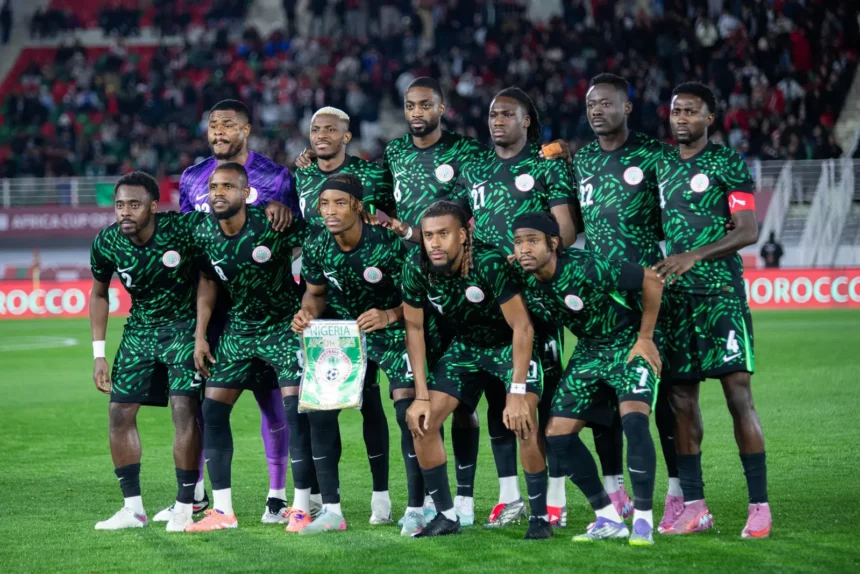
FIFA Ruling on Nigeria Eligibility Protest: Super Eagles Await Verdict
The football world turns its attention to FIFA ruling on Nigeria eligibility protest as the fate of the Nigeria national football team—popularly known as the Super Eagles—hangs in the balance. With qualification for the 2026 FIFA World Cup at stake, Monday’s decision could reshape the trajectory of Nigeria’s campaign and significantly impact African qualification standings.
At the heart of the matter is Nigeria’s formal protest against DR Congo national football team, alleging eligibility concerns that may have influenced a critical fixture. The decision from FIFA is expected to clarify whether procedural violations occurred and what consequences, if any, will follow.
Why the FIFA Ruling on Nigeria Eligibility Protest Matters
The Super Eagles are chasing qualification for the expanded 48-team 2026 FIFA World Cup. With African spots highly competitive, every point carries enormous weight. Nigeria’s protest centers on claims that DR Congo fielded a player who may not have met eligibility requirements under FIFA statutes.
If upheld, Nigeria could benefit from a points adjustment, potentially reviving qualification hopes. If dismissed, the Super Eagles may face a steeper path forward in their World Cup campaign.
In African qualifiers, margins are razor-thin. A single ruling can redefine the table, alter momentum, and influence national football narratives for years.
What Is Nigeria Protesting?
While official documents remain confidential pending FIFA’s announcement, sources indicate that Nigeria’s football authorities questioned whether DR Congo complied fully with international player eligibility regulations.
Eligibility protests typically involve:
-
Citizenship documentation disputes
-
Timing of nationality switches
-
Compliance with FIFA’s five-year residency rules
-
Representation history at youth or senior levels
FIFA’s regulations are strict. A breach—intentional or administrative—can result in match forfeiture, fines, or disciplinary sanctions.
Possible Outcomes of the FIFA Decision
1. Protest Upheld
If FIFA rules in Nigeria’s favor:
-
The disputed match result could be overturned.
-
Points may be awarded to Nigeria.
-
DR Congo could face sanctions.
This scenario would dramatically improve the Super Eagles’ qualification chances.
2. Protest Rejected
If FIFA dismisses the claim:
-
Match results stand.
-
Nigeria remains in its current position.
-
Focus shifts entirely to upcoming qualifiers.
This outcome would increase pressure on the Super Eagles to secure maximum points in remaining fixtures.
3. Conditional or Disciplinary Action
FIFA could also issue a nuanced ruling—upholding procedural concerns but declining to alter the match outcome. Such cases are rare but possible.
Impact on Nigeria’s 2026 World Cup Qualification
Qualification for the 2026 tournament is fiercely contested across Africa. With expanded slots, expectations are higher, but so is competition.
For the Nigeria national football team, missing out would be a major setback. Nigeria boasts a rich World Cup history, including appearances at:
-
1994 FIFA World Cup
-
1998 FIFA World Cup
-
2014 FIFA World Cup
The nation views World Cup qualification not merely as participation, but as a benchmark of footballing stature.
Reaction from Fans and Analysts
Across Nigeria, anticipation is intense. Supporters believe administrative justice must be upheld to protect competitive integrity. Analysts, however, caution that eligibility rulings are rarely straightforward.
Football governance cases often hinge on documentation timelines and regulatory interpretation. Even minor clerical discrepancies can carry major consequences under FIFA statutes.
Social media has been flooded with debate, as fans speculate on potential scenarios. Yet until FIFA issues its official ruling, uncertainty prevails.
The Bigger Picture: Governance and Fair Play
This case underscores the importance of compliance within international football. Eligibility disputes, while controversial, reinforce the principle that competition must be fair and transparent.
FIFA’s decision will not only affect Nigeria and DR Congo—it will send a message across African football regarding adherence to regulations.
For federations, it’s a reminder: administrative diligence matters just as much as on-field performance.
What Happens Next?
Following the FIFA ruling on Nigeria eligibility protest, several steps are expected:
-
Official statement publication
-
Possible appeal window (if either party contests the ruling)
-
Clarification of group standings
-
Renewed focus on upcoming qualifiers
The decision could either revive hope or intensify urgency for the Super Eagles.
FAQ: FIFA Ruling on Nigeria Eligibility Protest
What is the FIFA ruling on Nigeria eligibility protest about?
It concerns Nigeria’s challenge to DR Congo’s player eligibility in a World Cup qualifying match.
When will FIFA announce the decision?
FIFA is expected to deliver its ruling on Monday, February 16.
What happens if Nigeria wins the protest?
Nigeria could receive additional points or benefit from a revised match result.
Can DR Congo appeal the ruling?
Yes. Both federations typically retain appeal rights within FIFA’s legal framework.
How does this affect 2026 World Cup qualification?
The decision could significantly alter standings and Nigeria’s path to qualification.
Conclusion: A Defining Moment for the Super Eagles
The upcoming FIFA ruling on Nigeria eligibility protest is more than a procedural decision—it is a potential turning point in Nigeria’s quest for 2026 World Cup qualification.
For the Super Eagles, the verdict could mean renewed momentum or increased pressure. For African football, it represents the ongoing balance between competition and compliance.
As the football community awaits FIFA’s announcement, one thing is certain: the stakes could not be higher.
Stay tuned for live updates and in-depth analysis as soon as the ruling is confirmed.