


Journalist Dnreams & Keane Reunion? – How Martin O’Neill Continues to Revive Celtic
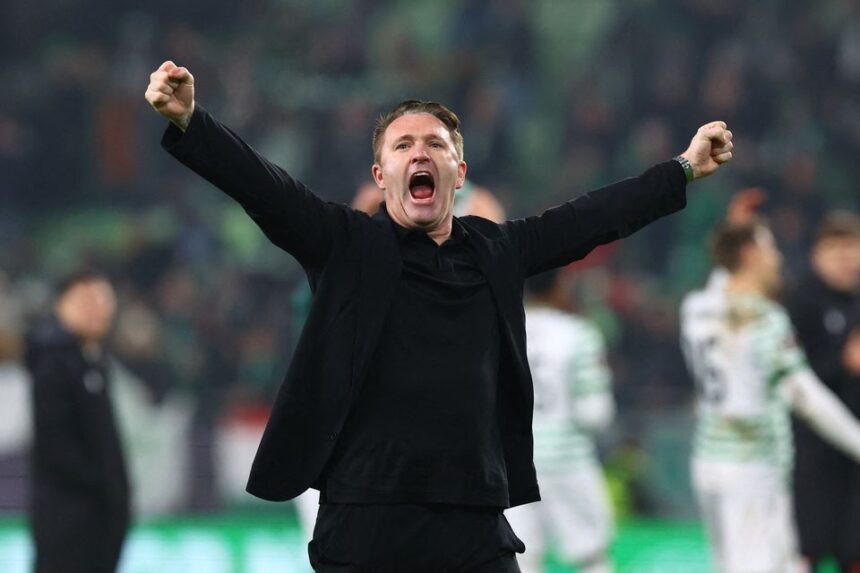
Few figures in modern football command the same reverence at Celtic Park as Martin O’Neill. Long after his first spell transformed Celtic into a dominant domestic force and a respected European competitor, O’Neill’s influence continues to echo through the club’s identity. For journalists, supporters, and former players alike, his name still represents clarity, authority, and belief — qualities Celtic have repeatedly sought during periods of transition.
Talk of reunions, legacies, and unfinished business often resurfaces whenever Celtic search for stability or direction. Yet beyond nostalgia and headline-friendly speculation, the real story lies in how O’Neill’s footballing philosophy still shapes Celtic’s revival, directly and indirectly, in the modern era.
Martin O’Neill’s Enduring Legacy at Celtic
Martin O’Neill arrived at Celtic in 2000 and immediately altered the club’s trajectory. His tenure delivered three Scottish league titles, multiple domestic cups, and — crucially — restored Celtic’s belief on the European stage.
But O’Neill’s legacy goes deeper than silverware. He instilled:
-
Tactical discipline without sacrificing attacking intent
-
A siege mentality that thrived in high-pressure matches
-
A strong dressing-room hierarchy built on accountability
-
An emotional connection between team and supporters
Celtic under O’Neill were resilient, aggressive, and unapologetically competitive. That DNA remains the benchmark against which every subsequent Celtic side is judged.
For journalists, the “O’Neill era” represents a gold standard — a reference point whenever Celtic appear to drift from their core identity.
The Roy Keane Connection: More Than Nostalgia
Any mention of Martin O’Neill inevitably reignites discussion around Roy Keane, one of the most dominant midfielders of his generation and a central figure in O’Neill’s later management career.
Their successful partnership at Sunderland reinforced the idea of mutual respect: O’Neill trusted Keane’s intensity and leadership, while Keane thrived under a manager who understood control, structure, and responsibility.
From a Celtic perspective, the Keane connection symbolizes:
-
Elite mentality
-
Standards-driven leadership
-
Midfield authority and emotional control
However, realistic football analysis separates symbolism from practicality. While journalists may dream of reunions, the real value lies in what Keane represents — not necessarily his physical presence, but the uncompromising standards O’Neill embedded in his teams.
Celtic’s revival is less about recreating personalities and more about restoring those principles.
Celtic’s Identity Revival: A Familiar Blueprint
In recent seasons, Celtic’s most successful periods have echoed key elements of O’Neill’s philosophy. Regardless of personnel or tactical evolution, the strongest Celtic sides tend to share common traits:
-
High-intensity pressing
-
Physical dominance in midfield
-
Relentless attacking play at home
-
Emotional engagement with the crowd
These are not coincidences. They reflect a cultural blueprint laid down during O’Neill’s reign.
Modern Celtic managers may operate with more fluid formations and progressive build-up patterns, but when Celtic win convincingly, the foundations look strikingly familiar: control the midfield, assert dominance early, and overwhelm opponents psychologically.
That identity — more than any individual — is O’Neill’s lasting contribution.
Why Journalists Keep Returning to O’Neill
From a media perspective, Martin O’Neill represents clarity in an era of uncertainty. Football journalism thrives on narratives, and O’Neill offers several compelling ones:
-
Proven success
-
Clear footballing philosophy
-
Leadership without ambiguity
-
Emotional resonance with supporters
When Celtic face transitional phases, journalists instinctively look backward — not out of laziness, but because O’Neill’s era provides contrast. It reminds readers what Celtic look like when they are fully aligned: boardroom, bench, dressing room, and stands.
This is why O’Neill’s name resurfaces even when no formal role is under discussion. He embodies a version of Celtic that feels authentic.
Realistic Implications: Influence Without Intervention
Crucially, Celtic’s revival does not require Martin O’Neill’s physical return. The realistic implication is more subtle — and more sustainable.
O’Neill’s continued influence is visible in:
-
The type of managers Celtic fans gravitate toward
-
The demand for authority and leadership over experimentation
-
The emphasis on mentality as much as tactics
-
The intolerance for passive football
Celtic’s modern rebuilds succeed when they align with these expectations. They struggle when they drift too far from them.
This is where the “journalist dreams” become grounded analysis: O’Neill’s relevance lies not in reunion fantasies, but in his enduring framework for success.
Keane as a Symbol, Not a Solution
Similarly, Roy Keane’s name endures because Celtic have often lacked what he symbolized: midfield dominance with emotional intelligence. But football realities dictate that successful teams recreate roles, not individuals.
Celtic’s best midfield units since O’Neill have thrived when they combined:
-
Physical presence
-
Tactical discipline
-
Leadership by example
-
Relentless competitiveness
That is the true “Keane connection” — a standard, not a signing.
Conclusion: Revival Rooted in Identity, Not Reunion
Martin O’Neill continues to revive Celtic — not through touchline appearances or dramatic returns, but through the identity he embedded two decades ago. His influence shapes expectations, informs criticism, and frames success.
Journalists will always dream. Supporters will always reminisce. Names like Roy Keane will always surface. But Celtic’s progress depends on something more grounded: aligning modern football methods with timeless principles of leadership, intensity, and belief.
That is O’Neill’s legacy.
And that is why, even today, Celtic’s revival still bears his fingerprints.